
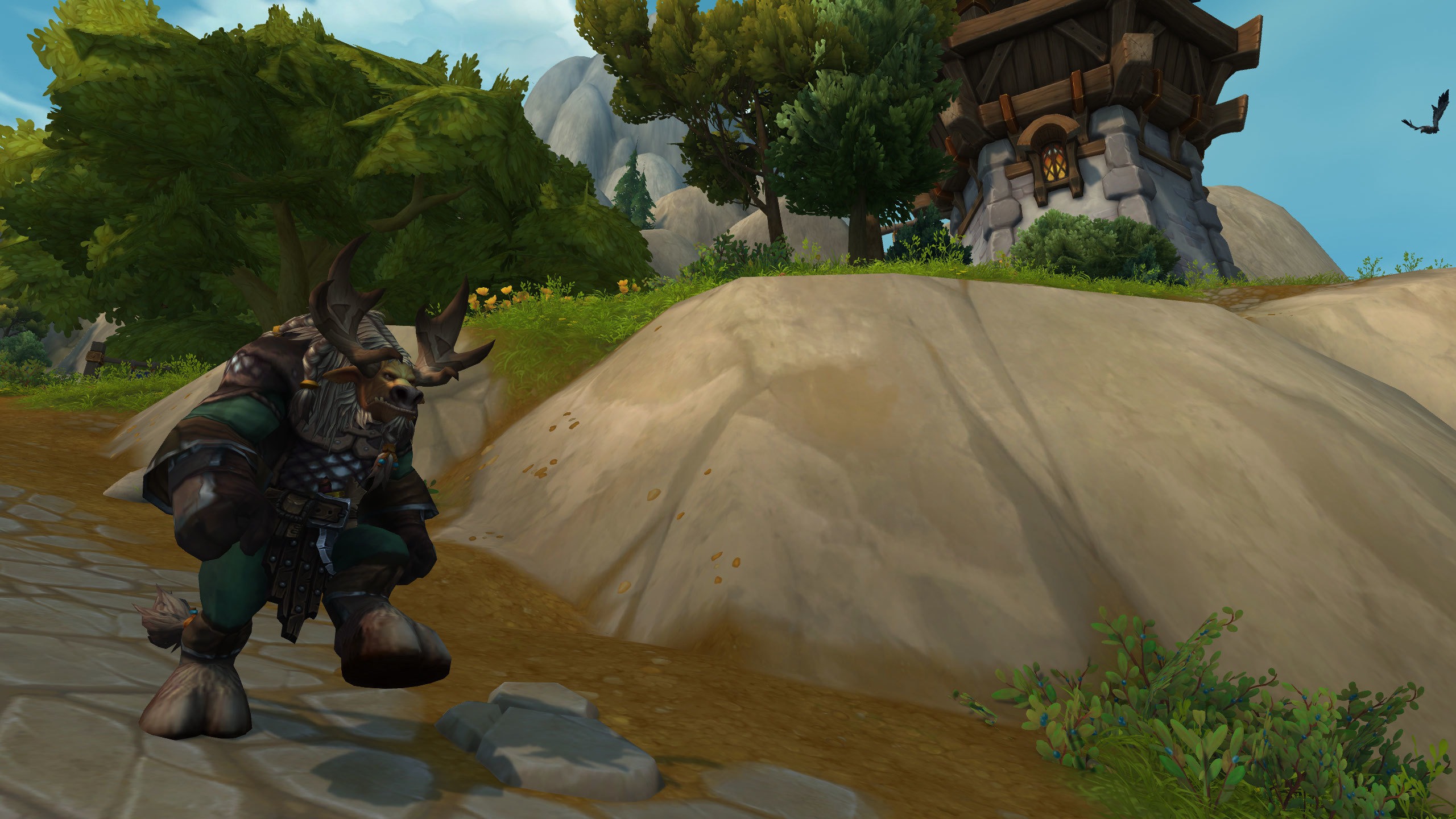
The open world has steadily evolved from a leveling space into a fully realized endgame pillar.
Modern design treats outdoor zones as long-term destinations rather than transitional content, offering structured challenges, meaningful rewards, and repeatable goals that rival instanced activities in depth and relevance.
Endgame Structure Moves Beyond Daily Tasks
Open-world endgame content now extends far beyond simple daily objectives. Layered systems such as rotating events, scalable encounters, and progression tracks give players reasons to remain active in outdoor zones week after week.
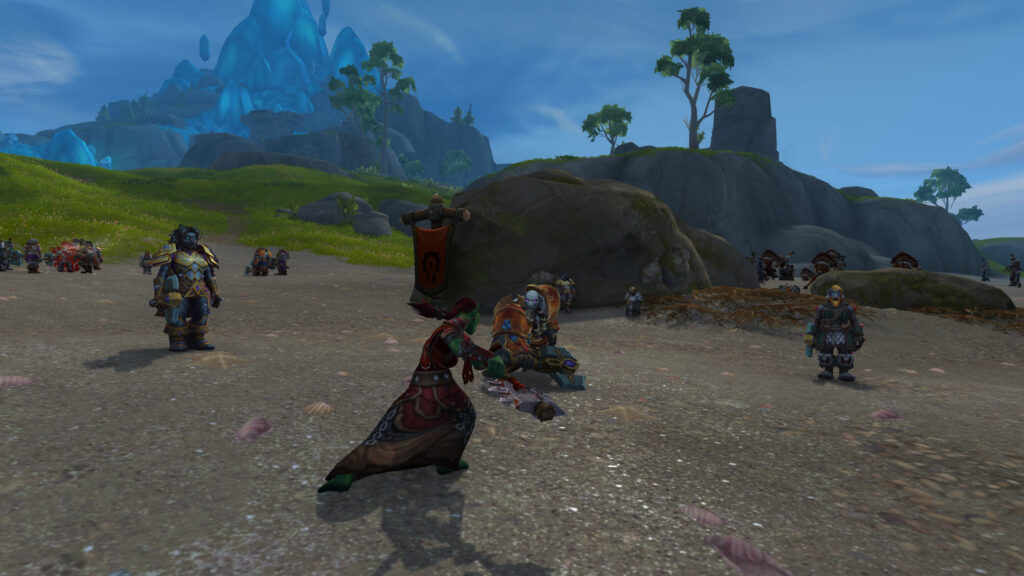
These structures create continuity, allowing progress to feel persistent instead of disposable.
Difficulty Scaling Supports Broad Participation
Many open-world endgame activities scale dynamically based on participation or player strength. This approach supports both solo players and spontaneous groups without requiring formal organization.
As a result, the open world remains accessible while still offering meaningful challenge to experienced players.
Rewards Reinforce Long-Term Engagement
Modern reward systems tie open-world participation to character growth, cosmetics, and progression currencies. These incentives ensure that time spent outside instances contributes directly to overall advancement. The open world becomes a viable alternative path rather than optional filler.
| Open-World Feature | Player Experience | Endgame Value |
|---|---|---|
| Scalable events | Flexible participation | Consistent challenge |
| Rotating objectives | Varied gameplay | Reduced repetition |
| Progression tracks | Visible advancement | Long-term goals |
| Elite areas | High-risk encounters | Skill expression |
Social Interaction Emerges Organically
Unlike instanced content, open-world endgame encourages spontaneous cooperation. Players assist each other without pre-arranged groups, forming temporary alliances around shared objectives. This organic interaction strengthens immersion and community without imposing social pressure.
Open-World Content Reduces Burnout
Having a robust outdoor endgame provides relief from rigid schedules and repeated instance runs.
Players can engage at their own pace, making progress without strict time commitments. This flexibility helps sustain long-term interest across an expansion cycle.
Conclusion
Open-world endgame continues to expand as a core gameplay pillar by offering structured progression, scalable challenge, and meaningful rewards.
As these systems mature, the open world stands alongside raids, dungeons, and PvP as a central path for long-term engagement.

Leave a Reply