
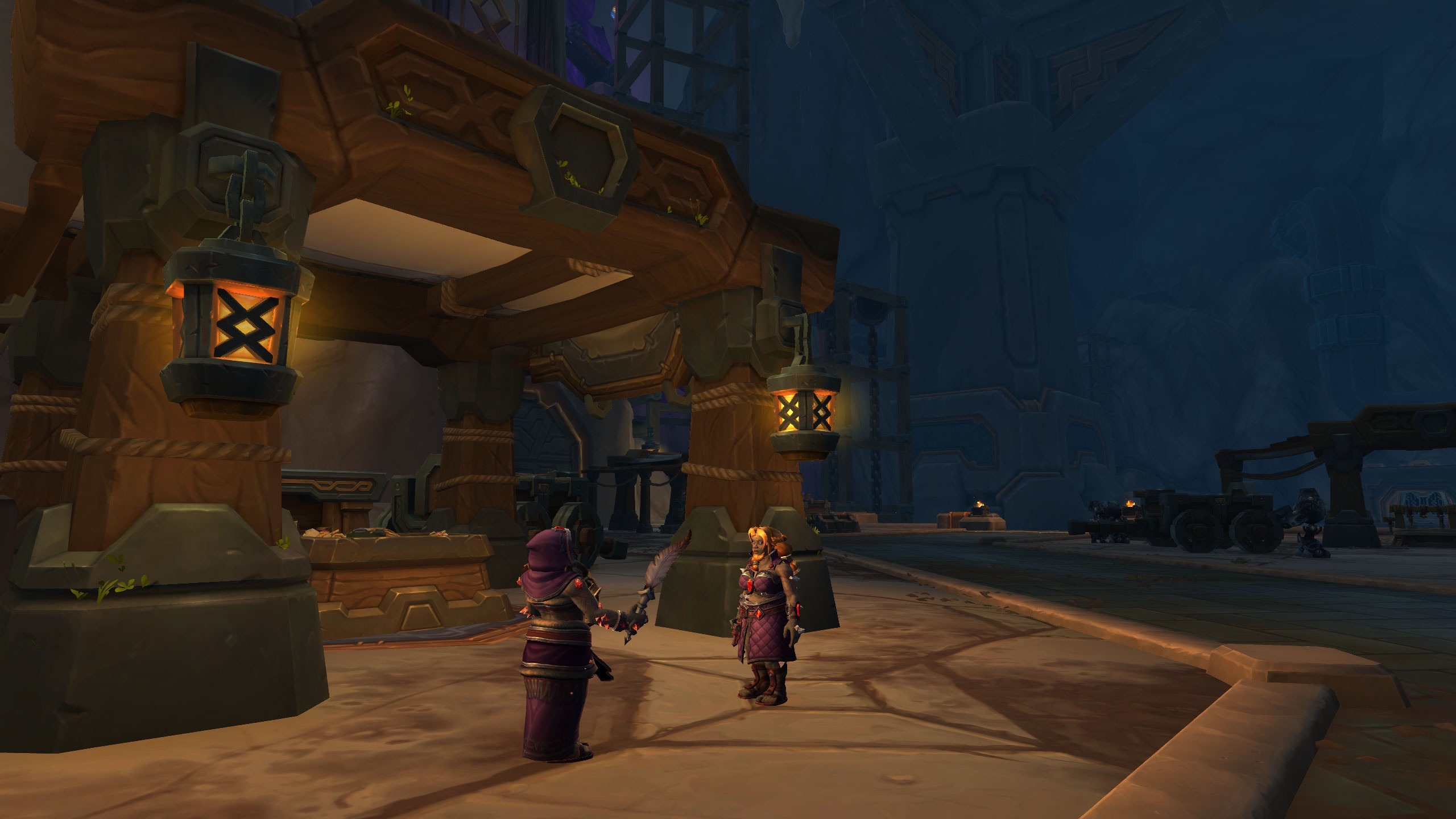
*World of Warcraft* is more than just a game; it’s an ever-evolving universe filled with rich lore and deep history. The game’s mechanics, from combat systems to class abilities, often draw inspiration from the vast narrative that unfolds in Azeroth. In this article, we’ll explore how WoW lore has influenced and shaped its game mechanics, and how the story elements integrate into the gameplay experience.
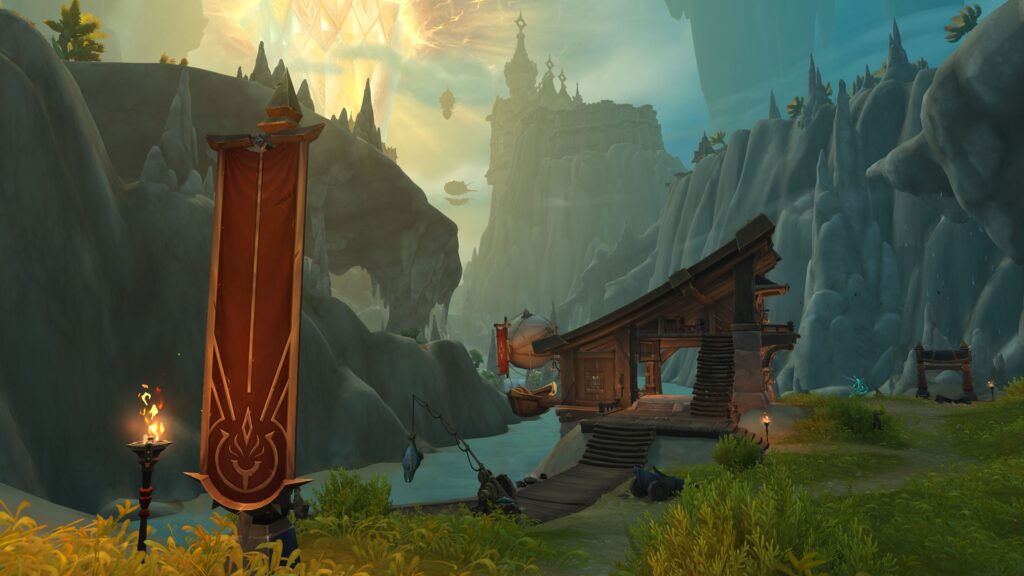
Class Abilities Rooted in Lore
The abilities and powers of each class in *World of Warcraft* are deeply intertwined with the game’s lore. Many spells, skills, and talents are inspired by iconic characters, factions, and events from Azeroth’s history. For example, the Paladin class draws heavily from the lore of the Light, with abilities like *Holy Shock* and *Divine Storm* reflecting the divine power granted by the Naaru. Similarly, Warlocks wield dark powers associated with demonic pacts, and their abilities like *Summon Felhunter* and *Shadow Bolt* are rooted in the demonic magic seen throughout the game’s story.
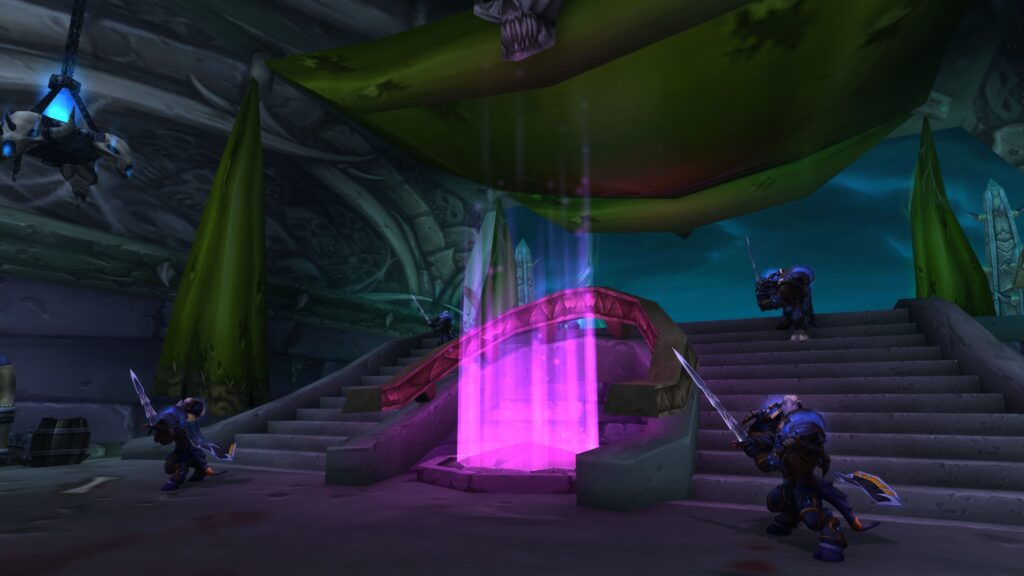
This deep connection between lore and gameplay allows players to feel more immersed in the world, as their character’s abilities are tied to the same forces that shape the world around them. When you cast a spell as a Mage, for instance, you’re channeling the same arcane magic that has been a central theme in Azeroth’s history, from the rise of the Highborne to the rise of the Kirin Tor.
Raid and Dungeon Design Inspired by Lore
Many of *World of Warcraft’s* most iconic raids and dungeons are built around key events in the game’s lore. For instance, the *Molten Core* raid was created to explore the lore of Ragnaros the Firelord and his minions, delving into the history of the Firelands and the elementals. Similarly, the *Black Temple* raid in *The Burning Crusade* focuses on the fall of Illidan Stormrage, an essential part of the game’s ongoing narrative.
In many cases, the dungeons themselves are visual representations of the lore, with specific encounters designed to tie into the larger story arc. For example, in the *Throne of Thunder* raid, players face off against Lei Shen, the Thunder King, whose lore is tied to the power struggles among the Titans and the troll empires. These dungeons provide players with an immersive experience that enhances the sense of being part of Azeroth’s evolving story.
Factions and Lore-Driven Gameplay
Faction design in *World of Warcraft* is also heavily influenced by the game’s lore. The conflict between the Horde and the Alliance is one of the central themes in the game, and it plays out across countless quests, storylines, and events. Players align themselves with one of these factions, and their gameplay is influenced by the conflict between them, whether it’s through PvP content, story-driven quests, or faction-specific mechanics.
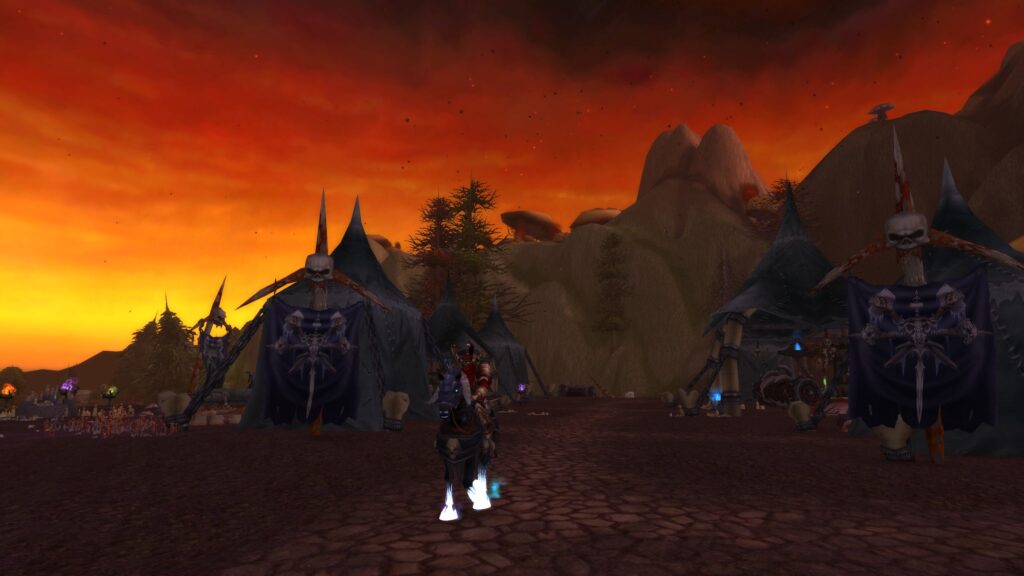
For example, the *Forsaken* faction is closely tied to the lore of the Scourge and the undead, with mechanics like *Cannibalize* reflecting their dark heritage. Similarly, the *Draenei* faction is infused with the lore of the Naaru and the Light, influencing both the way their characters play and the narrative they experience throughout the game.
Quests and Storytelling Integration
One of the most significant ways in which lore shapes WoW’s gameplay is through quests. From low-level introductory quests to endgame raids, the story of Azeroth is told through the missions players undertake. Many of these quests are deeply tied to major lore events and characters, whether it’s helping Thrall reclaim his rightful place in *The Shattering*, or aiding the Night Elves in their struggle against the Burning Legion.
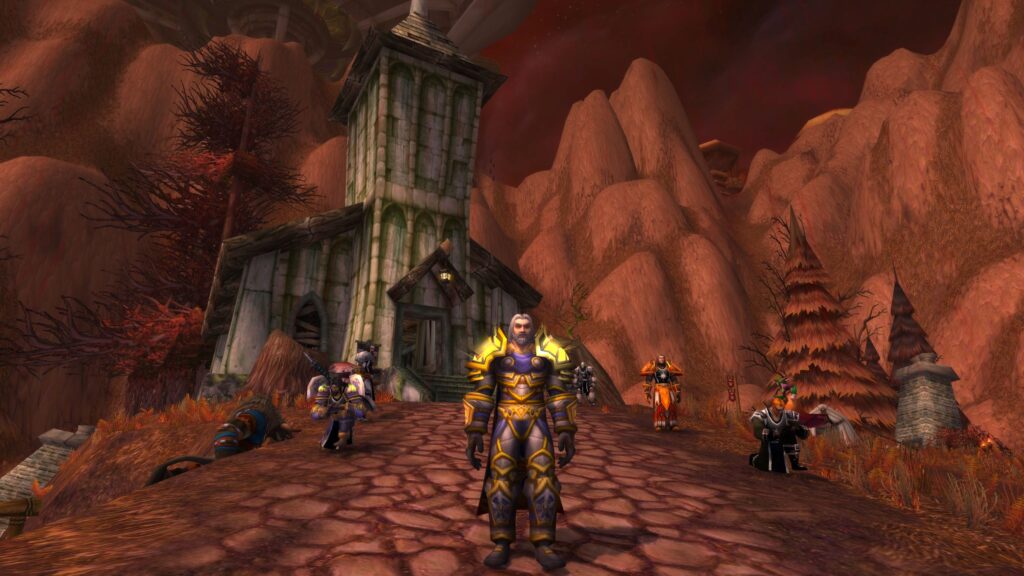
These lore-driven quests offer not only a narrative but also direct gameplay rewards, such as gear and items associated with the story. For example, the legendary quest chains, like the *Legendary Cloak* quest from *Mists of Pandaria* or the *Warglaives of Azzinoth* quest from *The Burning Crusade*, are a direct reflection of the game’s lore, with players taking on iconic story elements and receiving rewards tied to the history of Azeroth.
Conclusion: A Symbiotic Relationship
The connection between lore and game mechanics in *World of Warcraft* is more than just a backdrop for the action—it is integral to the gameplay experience itself. The world’s rich history and evolving narrative not only provide a framework for quests and raids but also deeply influence the abilities, systems, and factions within the game. As WoW continues to evolve, this synergy between story and mechanics ensures that players are not just interacting with a game—they’re becoming part of a living, breathing world full of rich history, compelling characters, and epic tales.
Home

Leave a Reply